Hail in Globe · Jul 15, 2026
The estimated-size surface reached 0.5" aloft; NEXRAD logged no point detections over Globe that day. Open it on the live map to see the swath over the streets.

7-day free trial in the iPhone app. No card required to start.
For iPhone. Android coming soon.

Web trial: 7 days free. Card required. $150/month after the trial unless cancelled.
Convective day · Jul 15, 2026 · noon–noon UTC
Severity
The 9th most severe storm Globe has seen in the last 12 months
Overview's storm severity score weighs hailstone size, homes in the footprint, and ground-truth reports.
- Peak hail signal
- 13 /100
- Homes exposed
- 0 /100
- Ground truth
- 0 /100
Largest radar-indicated size — a signal of damage potential, not confirmation.
How many homes sit inside the storm's footprint.
Independent storm reports filed with the NWS.
Evidence / storm surfaces
How Globe saw the hail — from two instruments
Each storm gets two readings: the radar signatures NEXRAD recorded as the cells passed overhead, and a modeled estimate of hail size in the air. They are independent surfaces, so a mismatch between them is expected — and worth reading.
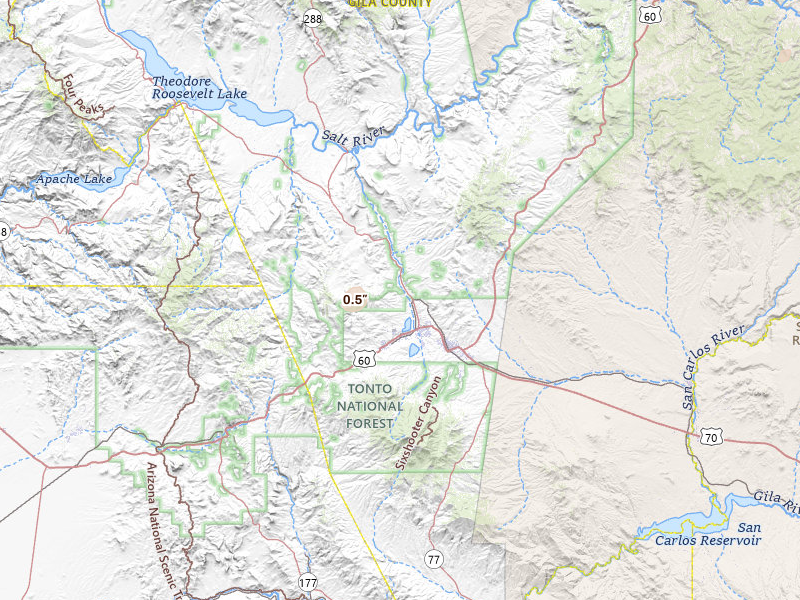 Estimated size field
 Radar-estimated hail size over the swath. The model reports the biggest stone the storm could sustain in the air; what actually fell may have been smaller.
Only the radar-estimated size surface resolved for Jul 15, 2026 — this storm produced no NEXRAD point detections over Globe, so there is one map to show, not two.
The storm in context
Where Jul 15, 2026 sits in Globe's hail record.
This was Globe's 4th recorded hail day, arriving 1 day after the Jul 14, 2026 storm. By severity it ranks 9th of the 12 storms we have logged here. Radar put the day's largest stone over Globe at 0.5" — radar-estimated size aloft.
The Jul 15, 2026 convective day was bigger than Globe: the same system put hail over 114 other tracked cities, 8 of them in Arizona. Nearest: Roosevelt (21 miles northwest, up to 0.5"); Payson (67 miles north, up to 0.5"); Marana (68 miles southwest, up to 0.5").
These maps are stills. In the app this date is one of 12 Globe storm dates on a live map — both surfaces, the reports, and a replay — and the same map is where you draw the swath. This page rebuilds nightly.
Ground reports
What people on the ground reported
These are storm reports filed with the National Weather Service and released through the NOAA Storm Prediction Center — public-domain observations from spotters, the public, and NWS surveys. We quote each one exactly as filed.
Nobody on the ground filed a report over Globe for this date, which says more about who was watching than about the storm: spotter reports only exist where there is an observer. The radar surfaces above carry the evidence for this one.
Below the severe threshold
What 0.5" hail means for Globe roofs.
Radar signals under three-quarters of an inch stay below the National Weather Service severe threshold and generally indicate lower roof risk. Older or already-worn materials can still show effects, but radar alone cannot determine whether a specific roof was damaged.
Radar reading · not confirmed damage
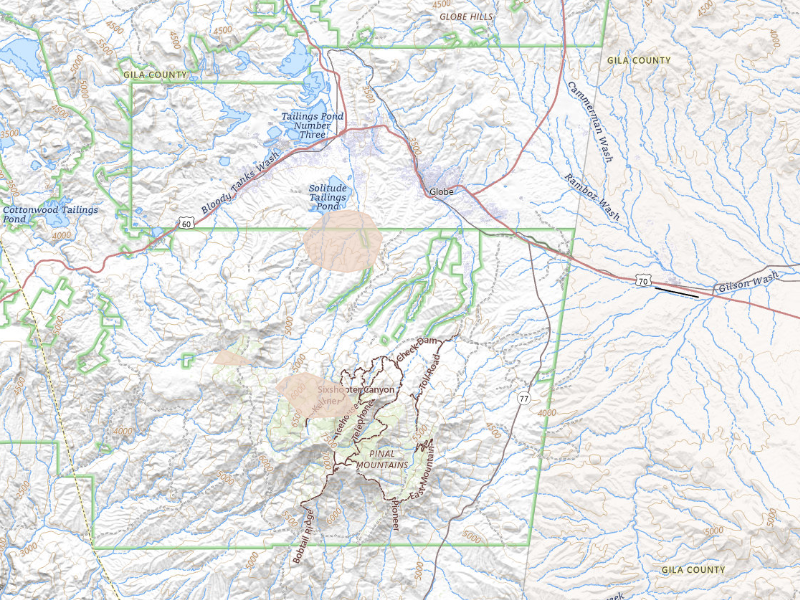 Estimated-size surface
 Sep 12, 2026
0.5"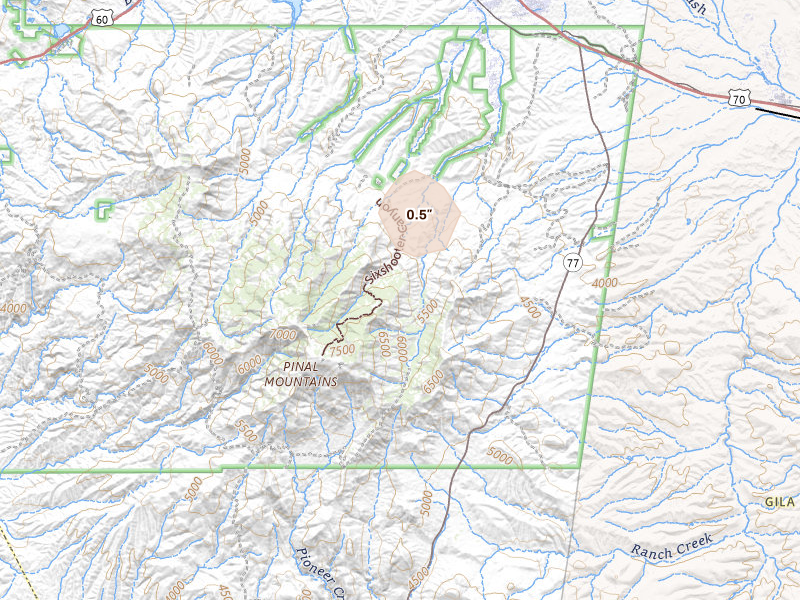 Estimated-size surface
 Aug 29, 2026
0.5"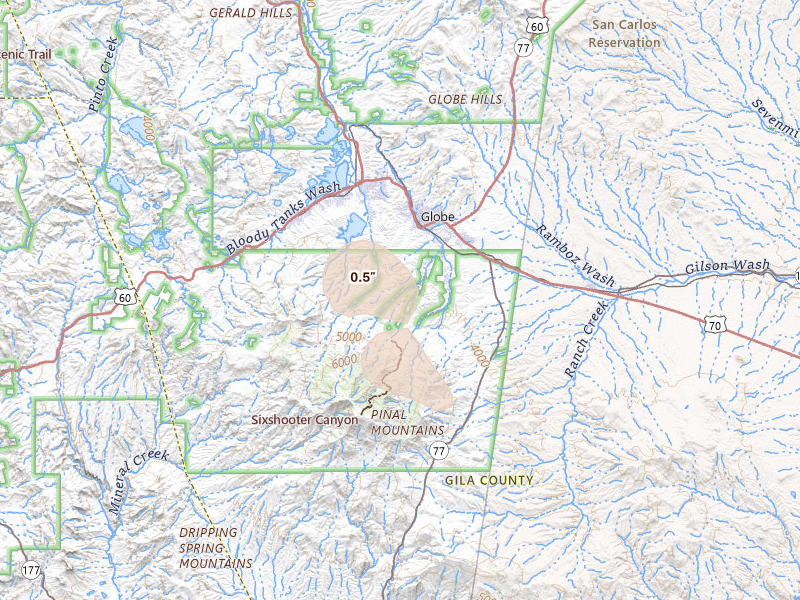 Estimated-size surface
 Aug 26, 2026
0.5"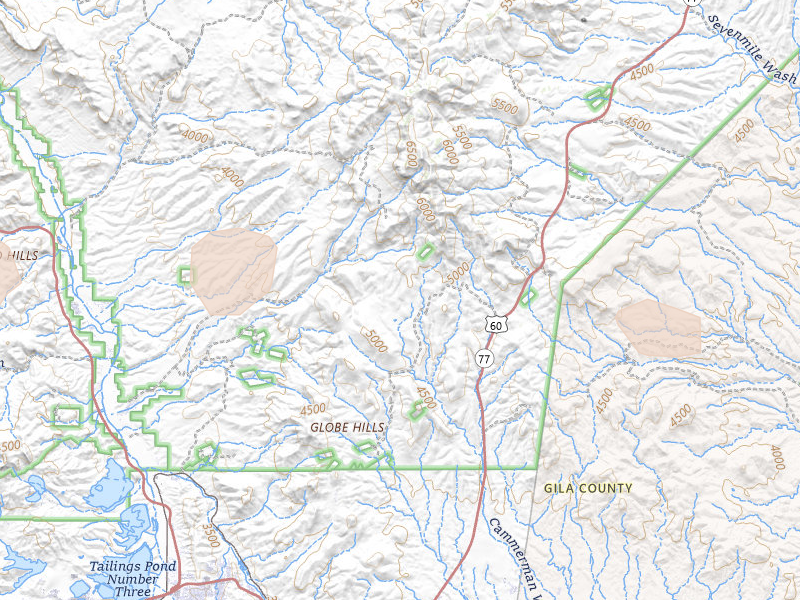 Estimated-size surface
 Aug 19, 2026
0.5"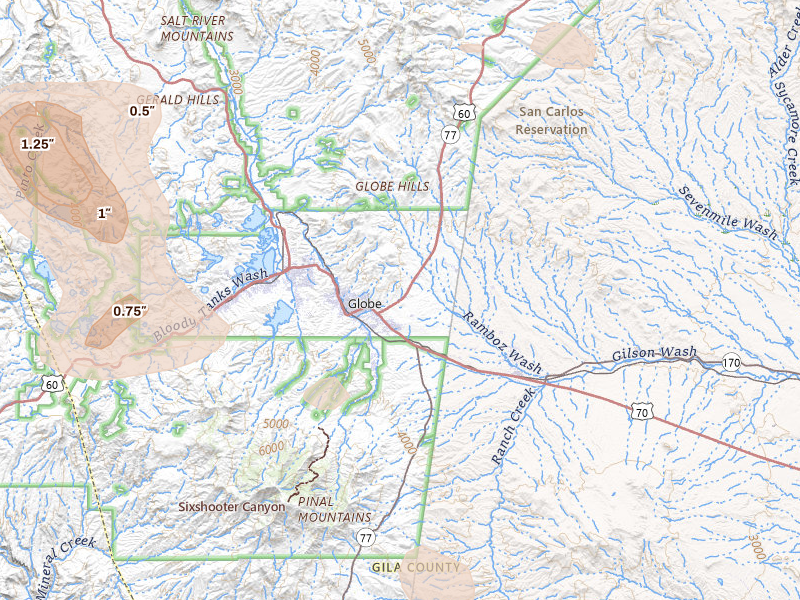 Estimated-size surface
 Aug 9, 2026
0.5"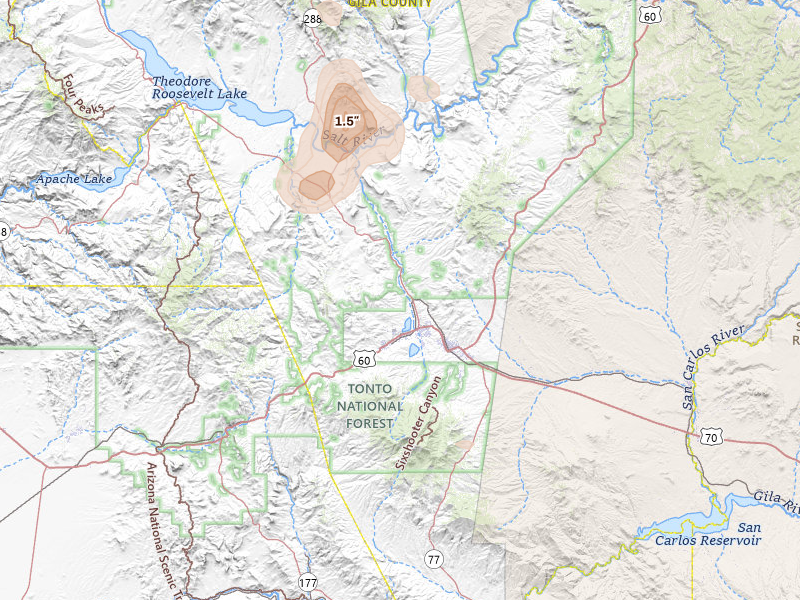 Estimated-size surface
 Jul 25, 2026
2.25" Estimated-size surface
 Jul 23, 2026
1.75"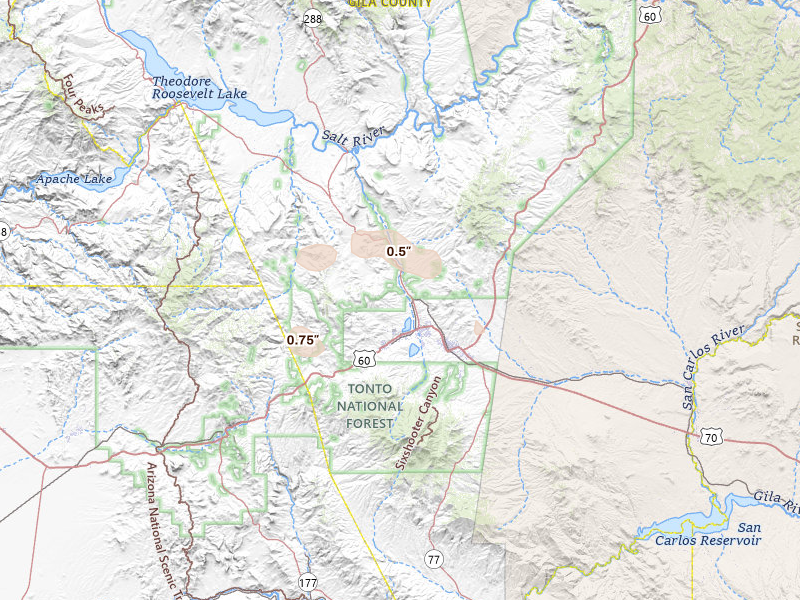 Estimated-size surface
 Jul 21, 2026
1"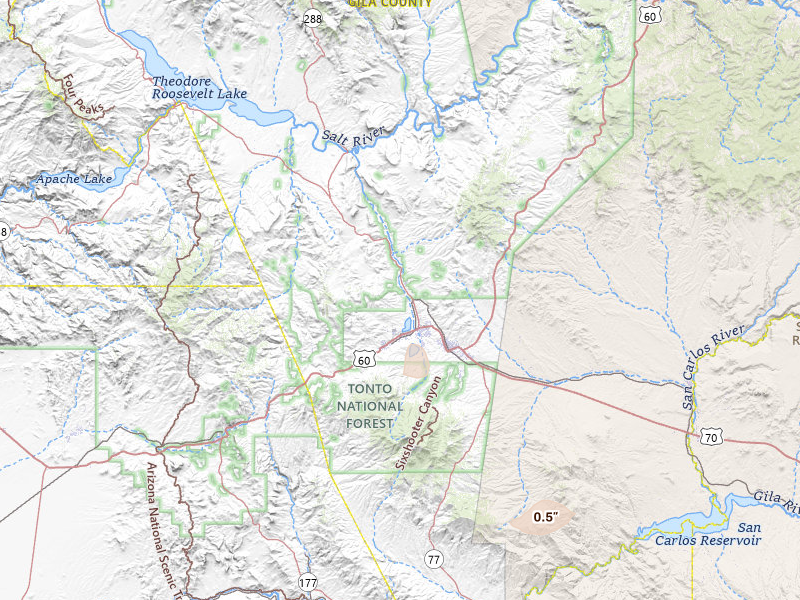 Estimated-size surface
 Jul 14, 2026
0.5"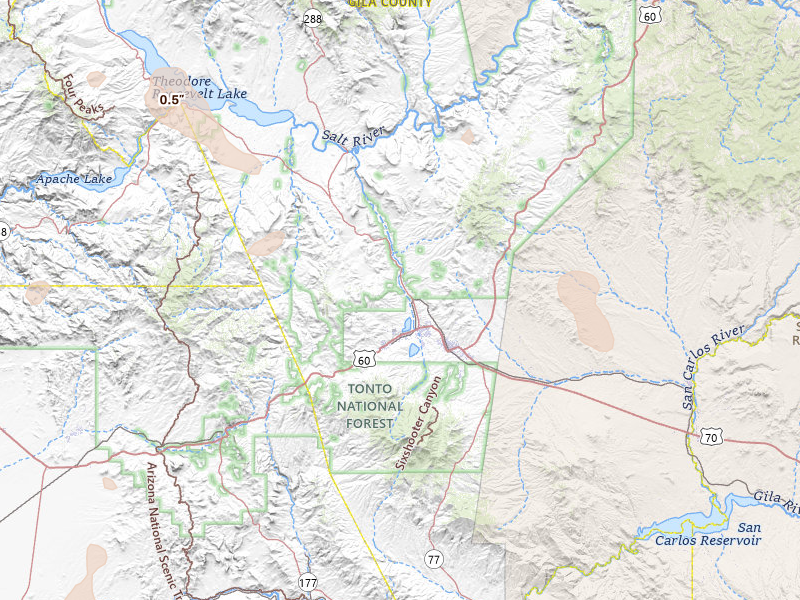 Estimated-size surface
 Jul 13, 2026
0.5"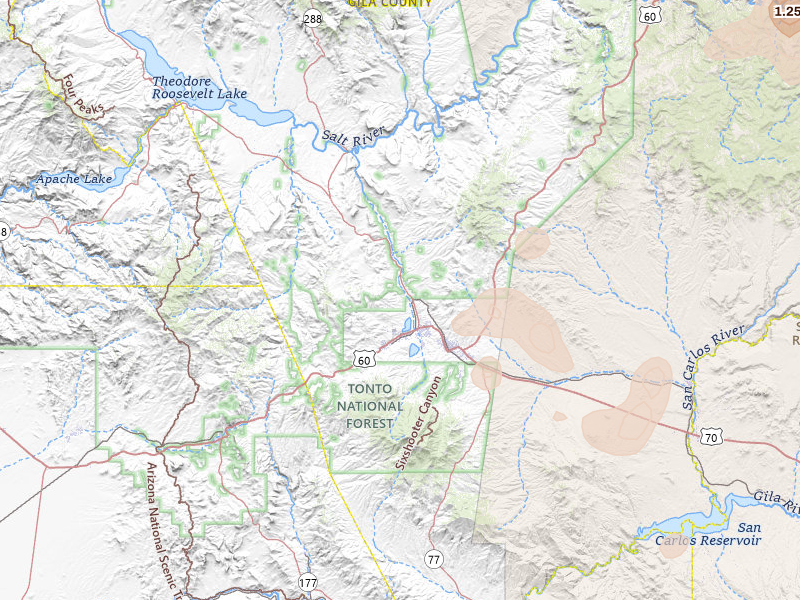 Estimated-size surface
 Jul 11, 2026
1.25"The next storm won’t wait for you.
Set your territory and alerts today. When hail hits, use Overview to choose your streets and get moving.
7-day free trial in the iPhone app. No card required to start.
For iPhone. Android coming soon.
Web trial: 7 days free. Card required. $150/month after the trial unless cancelled.