Storm report · Lee

Hail in Dixon Apr 2, 2026

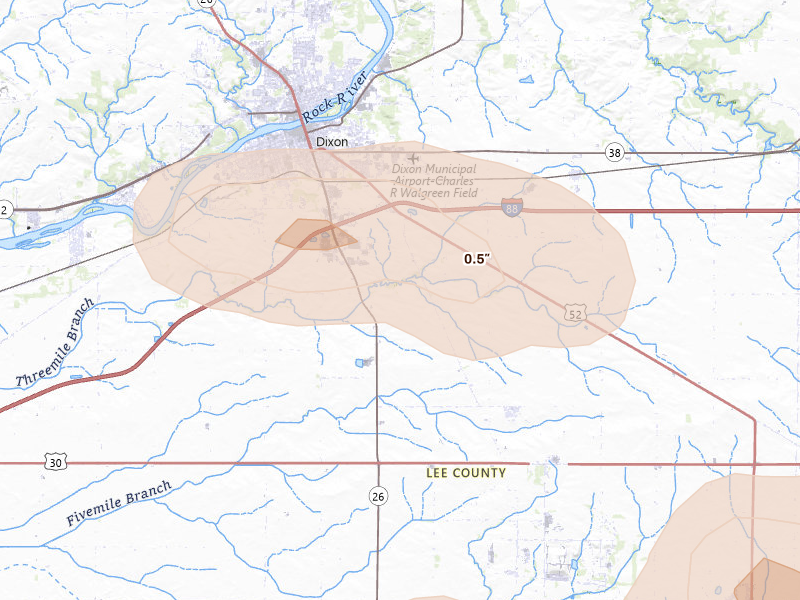
Both radar surfaces caught this storm: NEXRAD logged 17 hail signatures up to 1.25", and the radar-estimated size reached 0.5" aloft.

A tornado was also reported to the National Weather Service during this storm — see the ground reports below.

Largest hailstone

1.25"

≈ half-dollar · the largest NEXRAD radar signature
Homes in the hail footprint

611

Ground reports

4

1 hail · 1 wind · 2 tornado
Severity

The most severe storm Dixon has seen in the last 12 months

Storm severity score

Overview's storm severity score weighs hailstone size, homes in the footprint, and ground-truth reports.

4.8 /10
Hail size
31 /100

Largest hailstone — the top predictor of roof damage.

Homes exposed
56 /100

How many homes sit inside the storm's footprint.

Ground truth
100 /100

Independent storm reports filed with the NWS.

Two ways to read the storm

How Dixon saw the hail — from two instruments

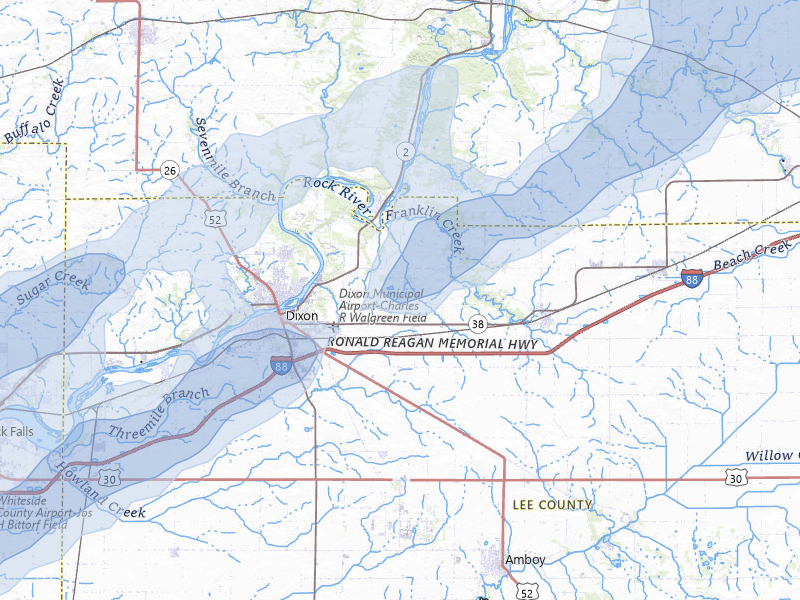
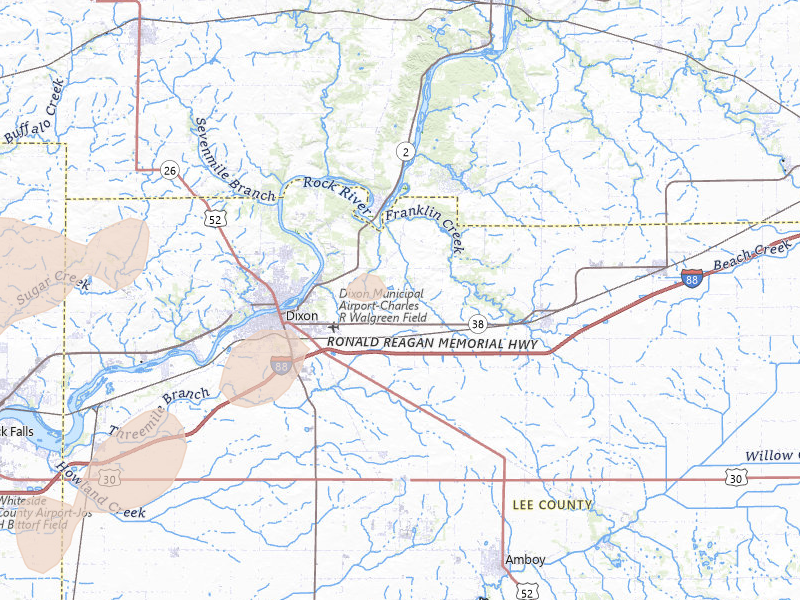
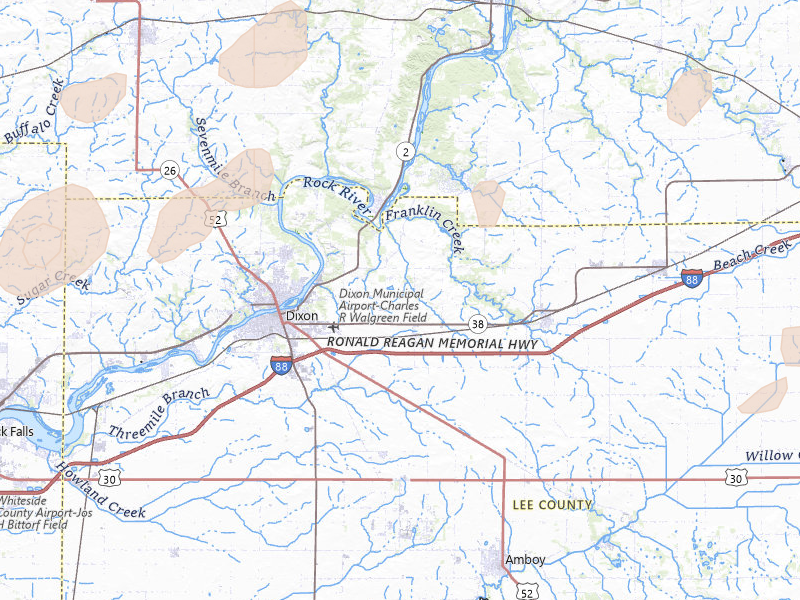
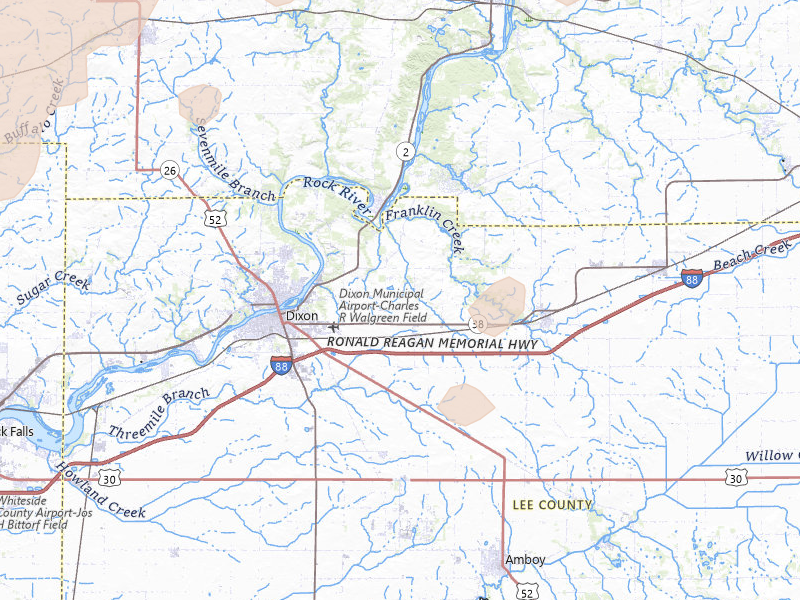
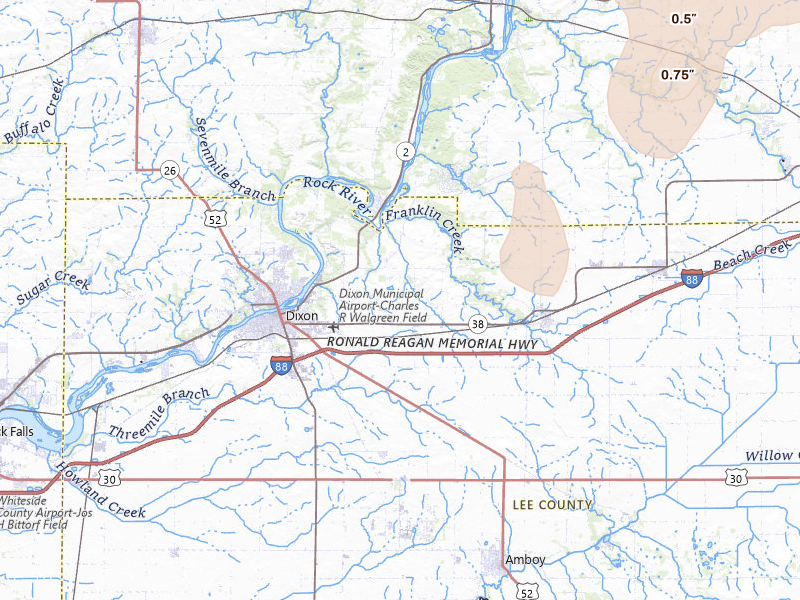
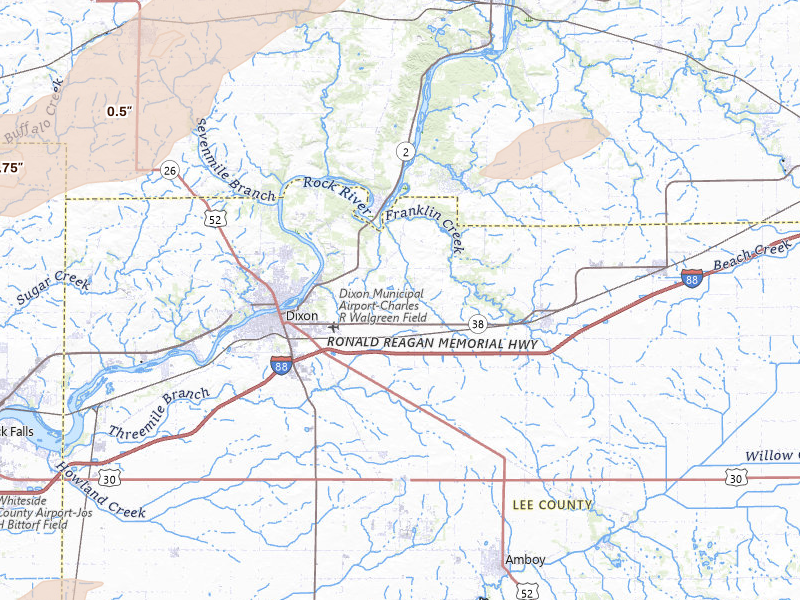
We map this storm two ways: the NEXRAD radar signatures the storm produced overhead, and the radar-estimated size of the hail in the air. The two surfaces don’t have to match — where they diverge is where estimated size aloft ran ahead of, or behind, what the signatures caught.

NEXRAD radar signatures
NEXRAD radar-signature map of the hail storm over Dixon, IL on Apr 2, 2026

NEXRAD radar signatures — the point detections the storm produced overhead. A signature is where the radar saw hail, not a confirmed stone on the ground.

Max size 1.25" Detections 17
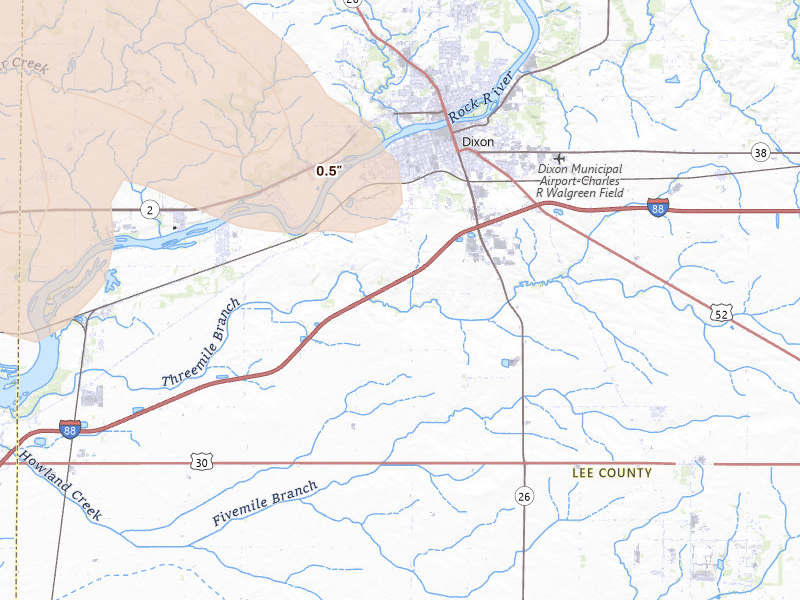
Radar-estimated hail size
Radar-estimated hail-size map of the storm over Dixon, IL on Apr 2, 2026

Maximum hail size as estimated from radar aloft. Treat it as the storm's ceiling — the largest supportable stone — rather than a ground measurement.

Max size 0.5"
The storm in context

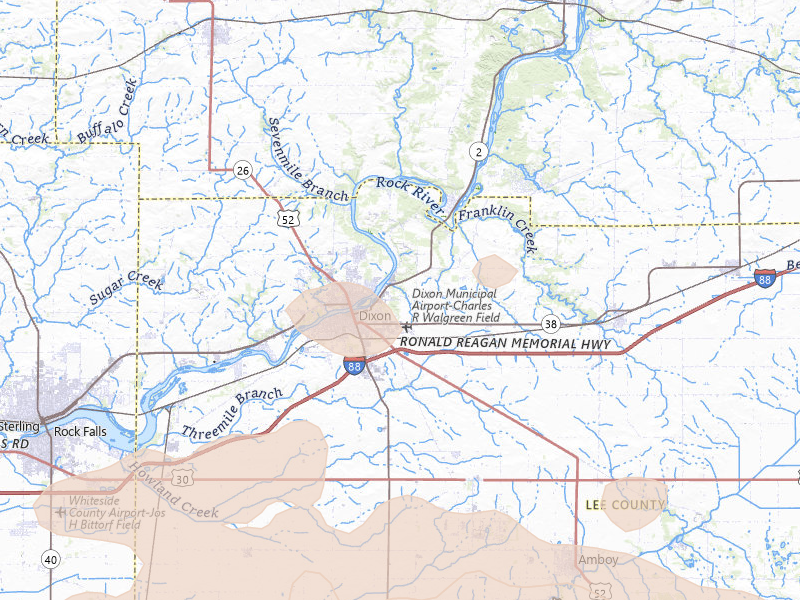
Where Apr 2, 2026 sits in Dixon's hail record

This was Dixon's 2nd recorded hail day, arriving 2 days after the Mar 31, 2026 storm. By severity it ranks 1st of the 7 storms we have logged here. Radar put the day's largest stone over Dixon at 1.25" — the largest NEXRAD radar signature.

The Apr 2, 2026 convective day was bigger than Dixon: the same system put hail over 160 other tracked cities, 84 of them in Illinois. Nearest: Sterling (13 miles west, up to 1.75"); Rock Falls (17 miles southwest, up to 1.5"); Oregon (17 miles northeast, up to 1.25").

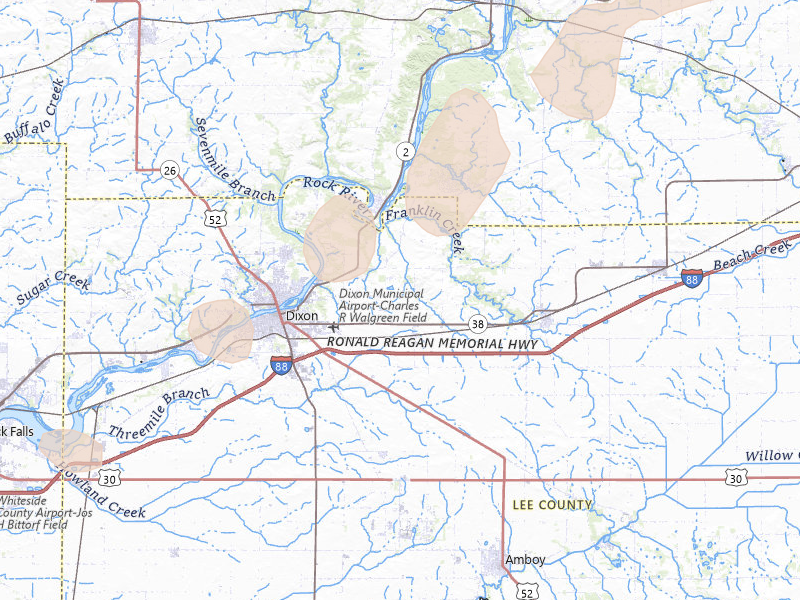
These maps are stills from Dixon's Apr 2, 2026 storm. In the Overview app the same surfaces are live — radar updating in real time, radar-estimated hail size as it forms, and NWS spotter reports pinned where they're filed — with a radar replay you can scrub back over any past day.

Ground reports

What people on the ground reported

These are storm reports filed with the National Weather Service and released through the NOAA Storm Prediction Center — public-domain observations from spotters, the public, and NWS surveys. We quote each one exactly as filed.

Tornado reports

2 reports
Tornado Rating unknown
4 NNW Nelson Lee County

“An NWS damage survey confirmed that an EF-1 tornado with estimated peak winds of 100 mph tracked for 5.75 miles through northwestern Lee County. The tornado damaged or (LOT)”

— NOAA / SPC storm report
Tornado Rating unknown
3 N Grand Detour Ogle County

“An NWS damage survey confirmed that a brief EF-1 tornado with estimated peak winds of 105 mph impacted a few properties along Ridge Road in southern Ogle County. One ho (LOT)”

— NOAA / SPC storm report

Hail reports

1 report
Hail size 1"
Dixon Lee County

“Nickel to quarter sized hail. (LOT)”

— NOAA / SPC storm report

Wind reports

1 report
Wind gust 65 mph
Dixon Lee County

“Estimated 60-70 mph gusts. (LOT)”

— NOAA / SPC storm report
Storm forensics

How the storm moved

Hail was reported over 26 minutes, from to .

Reports came from Nelson and Grand Detour — beyond Dixon itself.

Read from the arrival times and locations of the NOAA ground reports, not a radar-measured storm track.
Shingle-bruising hail

What 1.25" hail means for Dixon roofs

Quarter-size and larger hail is where asphalt shingle damage starts in earnest: bruised mats and granule loss that homeowners can't see from the ground. Most people inside the footprint won't know their roof was hit until someone inspects it.

What this storm is worth to a roofer

$7.3M

Potential roof exposure — 611 homes × the ~$12,000 industry-average hail roof claim. Exposure, not confirmed damage.
Illustrative jobs
3 jobs
Illustrative work
~$45K
Close just 0.5% of the 611 homes in this footprint at the average $15,000 roof job. Illustrative math, not a projection — your results depend on your outreach and how the market responds.
Claims from this storm can typically be filed until around April 2028 — the window to reach these homeowners while it's still open. Deadlines vary by policy and state.

Track hail over Dixon on the live map

Radar updates in real time, spotter reports appear on the map as they're filed, and the full Dixon storm history — this Apr 2, 2026 storm included — sits underneath. When you're ready, draw this storm's footprint and pull highly accurate homeowner contact information for every address inside it.

Highly accurate contact information starting at $0.23 per address — every contact included. Digital leads cost $15–$40. Start with a 7-day free trial — no credit card required. See pricing

Dixon hail history

7 recorded storm days in Dixon, IL

← All hail in Dixon

Other storms in Dixon

A storm day here is a convective day — it runs from noon to noon UTC, so late-night hail is grouped with the afternoon storm that spawned it rather than split across two calendar dates. Ground reports are public-domain observations from the NOAA Storm Prediction Center. Radar surfaces are detections and estimates, not confirmed damage. Last updated Aug 3, 2026.